Adjusting K Prop Strategies for Opener and Bullpen Games
 Available in US

Capitalising on Multi-Pitcher Starts in Live K Prop Markets
I once placed a K over on a pitcher listed as the starter, only to watch him throw eighteen pitches, record two outs, and walk back to the dugout. He was an opener – a reliever used for the first inning to face the top of the opposing batting order, before handing the game to a “bulk” pitcher who would throw the middle innings. His K prop was set at over 3.5. He finished with 1. The bet was dead before the second inning started.
Opener strategies and bullpen games have become common enough in modern MLB that they represent a genuine trap for K-prop bettors who do not check the context behind a pitcher listing. Understanding when a listed starter is actually an opener, how bullpen days work, and what these non-traditional approaches mean for strikeout props keeps you from burning units on bets that never had a chance.
What Defines an Opener
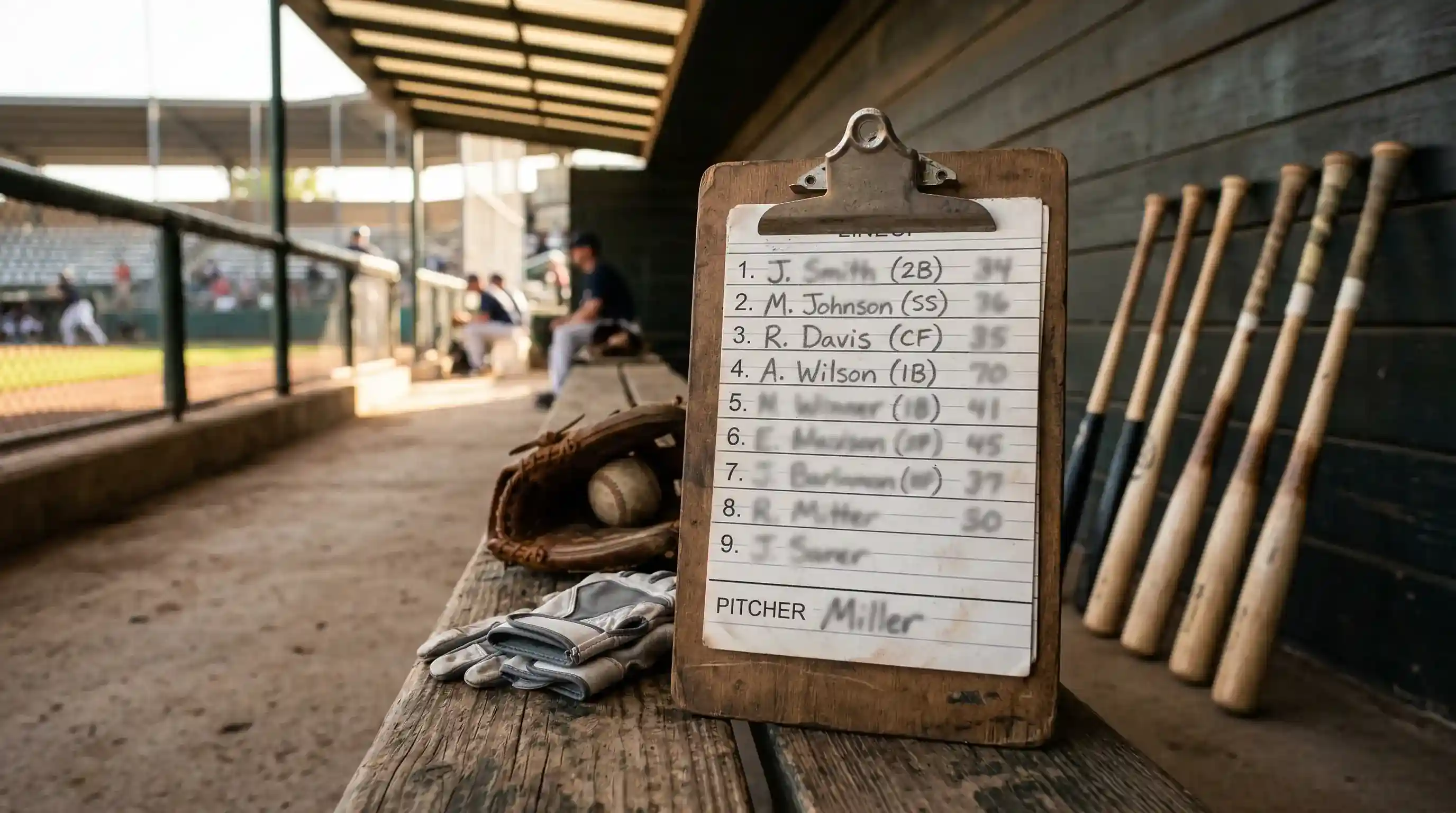
An opener is a reliever – often a left-hander who matches up well against the top of the opposing lineup – who starts the game with the intention of pitching only one or two innings. After the opener exits, a bulk pitcher enters and handles the middle innings (typically the third through sixth). The strategy was popularised by the Tampa Bay Rays in 2018 and has since been adopted intermittently by a dozen or more teams.
The logic behind the opener is matchup-driven. The top of a batting order typically contains a team’s best hitters, and facing them with a relief arm who has fresh legs and a specific platoon advantage can neutralise their impact in the first time through the order. The bulk pitcher then enters in the second or third inning, when the opposing lineup has cycled past its most dangerous hitters and into the middle and bottom of the order.
For K-prop bettors, the problem is clear: the opener is not going to face enough batters to accumulate a meaningful K total. If the sportsbook lists the opener as the starting pitcher and sets a K prop line based on a traditional start (over 3.5 or higher), that line is mispriced – not because the opener cannot strike batters out, but because he will not face enough batters to reach the threshold. Most openers throw 15-25 pitches and face 4-7 batters. Even at an elite K-rate of 35%, 6 batters faced produces an expected 2.1 strikeouts – nowhere near a 3.5 over.
How Bullpen Days Break Standard K-Prop Analysis
A bullpen day is different from an opener game. On a bullpen day, the team has no designated starting pitcher. Instead, the manager pieces together innings from multiple relievers, each pitching one to three innings. This happens when the regular starter is injured, skipped in the rotation, or when the team has an off-day the following day and wants to give the rotation extra rest.
Sportsbooks handle bullpen days inconsistently. Some pull the K prop entirely when no starting pitcher is listed. Others list the first pitcher to throw as the “starter” and set a K prop at a very low line (over 1.5 or over 2.5). Occasionally, a prop slips through based on a projected starter who is subsequently moved to a bullpen-day role, creating a mispriced line that savvy bettors can exploit on the under side.
The K-prop implications of bullpen games extend beyond the first pitcher. When a team uses a bullpen day, their opponent’s K prop is affected too. The opposing starting pitcher faces a parade of different arms rather than the same starter for six or seven innings. Each reliever brings a different look – different velocity, different pitch mix, different arm angle. In theory, this variety should suppress the opposing team’s at-bat quality because batters have less time to adjust to any single pitcher. In practice, the effect on the opposing pitcher’s K total is minimal. The opposing pitcher faces the same lineup regardless of who is pitching on the other side. His K projection is driven by his own stuff and the opposing lineup’s tendencies, not by the other team’s pitching strategy.
A high K/9 is irrelevant if the pitcher cannot stay in the game long enough to accumulate Ks. The RotoBaller editorial team monitors pitch-count trends specifically because a dominant pitcher pulled after 75 pitches cannot deliver the K volume that his talent suggests. Bullpen days and opener games are the extreme version of this principle – the pitcher’s runway is pre-determined to be short, regardless of performance.
Spotting Openers and Bullpen Days Before You Bet
The best defence against the opener/bullpen trap is information. Most MLB beat reporters confirm starting pitcher roles the day before the game, and lineup-tracking services flag known opener situations. Here are the practical signals to watch for.
First, check the listed starter’s recent role. If the listed pitcher has a history of relief appearances – appearances of one or two innings – and has not made a traditional start in weeks, there is a strong chance he is an opener rather than a conventional starter. His game logs will show the pattern clearly: 1.0 IP, 1.0 IP, 1.2 IP rather than the 5.0-6.0 IP of a regular starter.
Second, monitor the team’s pitching schedule. If a team’s fifth starter was recently placed on the injured list and no replacement has been called up, the next scheduled start for that slot is likely a bullpen day or opener game. Teams announce pitching plans to beat reporters two or three days in advance, and this information is available on team-specific news feeds.
Third, check line movement. If a K-prop line on a listed starter drops sharply in the hours before first pitch – from over 4.5 to over 2.5, for example – the market is likely reacting to news that the listed pitcher is an opener or that the game has been converted to a bullpen day. Sharp line movement on K props is a strong signal that something has changed, and you should investigate before betting.
My rule is absolute: I do not bet K overs on confirmed openers or bullpen-day games, and I do not bet K overs on any listed pitcher until I have verified his expected role for that specific start. The sixty seconds it takes to check a pitcher’s recent game logs and confirm his status with beat reporters is the cheapest insurance in K-prop betting. For a broader framework on how to evaluate pitcher K potential within the context of workload constraints, the guide on pitcher strikeout over/under lines covers how sportsbooks set lines and where mispricing occurs.
Do sportsbooks still offer K props when a team uses an opener?
It varies. Some sportsbooks pull the K prop entirely when the listed starter is a confirmed opener. Others keep the line active but adjust it to a very low threshold – over 1.5 or over 2.5 strikeouts. Occasionally, a prop set for a traditional start slips through even after the pitcher is confirmed as an opener, creating a mispriced line. Always verify the pitcher’s expected role before placing a bet, and treat any K prop on an opener as an under-only opportunity.
How does a bullpen game affect the opposing pitcher’s K prop?
The opposing pitcher’s K prop is largely unaffected by whether the other team is running a bullpen day. His K projection depends on his own stuff and the opposing lineup’s tendencies, not on who is pitching on the other side. The only indirect effect is game flow – bullpen games can sometimes be chaotic and high-scoring, which might shorten the opposing pitcher’s outing if his team builds a large lead or falls behind early.
Prepared by the mlb Strikeout Prop Bets editorial staff.