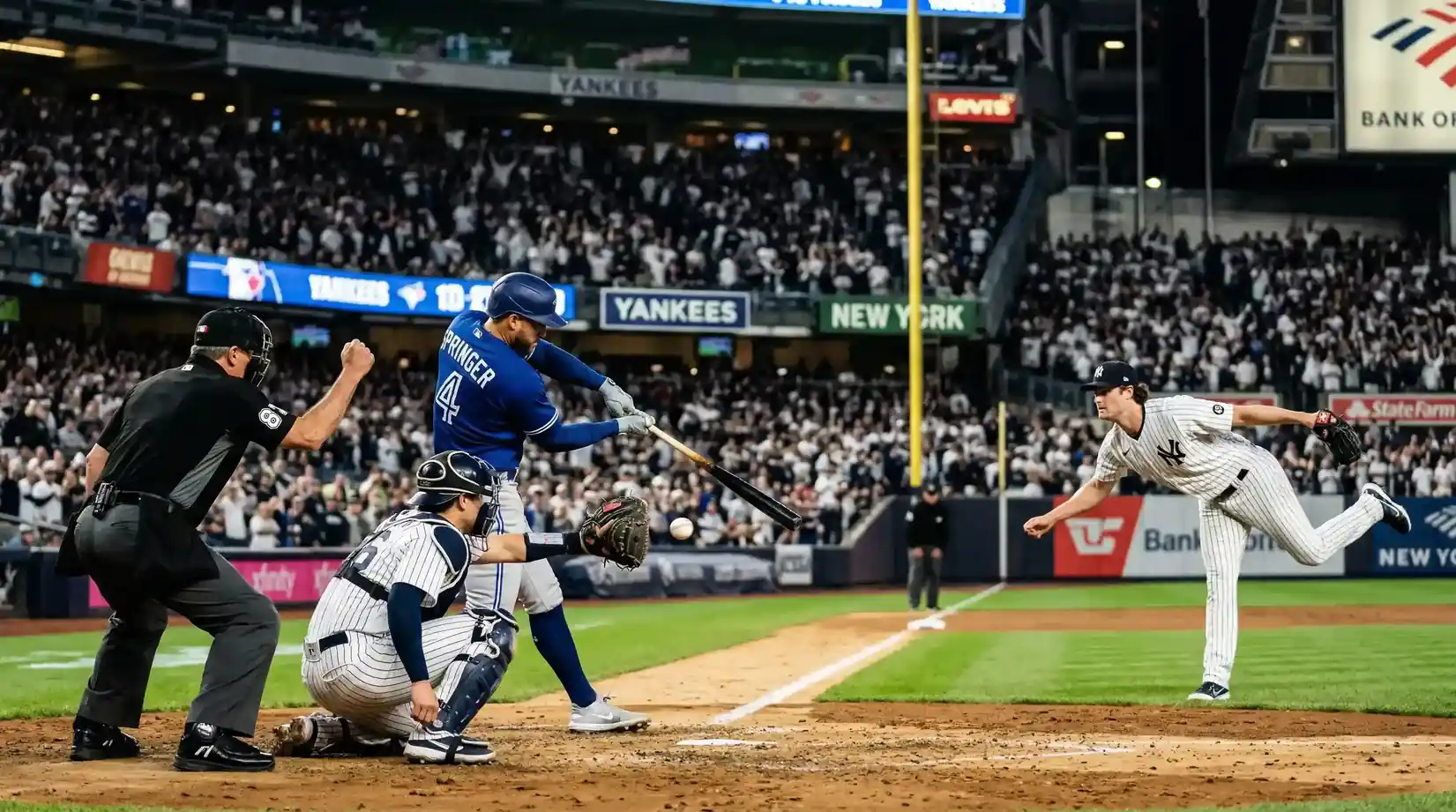
Umpire Strike Zone Tendencies for K Prop Adjustments
 Available in US
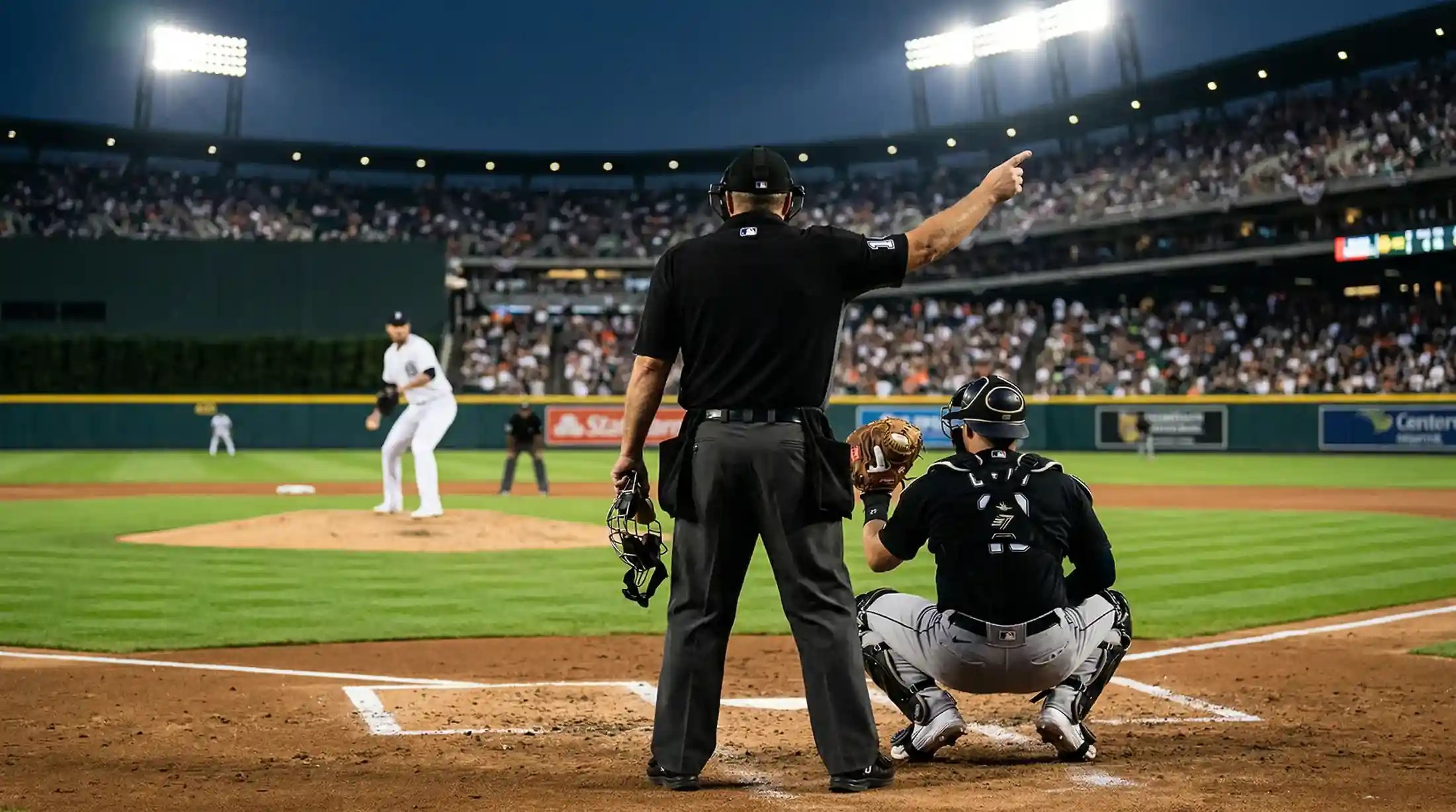
Adjusting Game Totals Based on Umpire Strike Zone Data
I spent my first three years betting K props without once looking at who was behind the plate. Pitcher metrics, lineup K-rates, weather – I had all of it dialled in. Then I lost four straight overs on a Tuesday in June, and every single game had the same home plate umpire. That felt like too much coincidence, so I pulled the data. It was not coincidence at all.
In a typical MLB game, there are five to ten borderline pitches that could reasonably be called either a ball or a strike. That is not my estimate – it is a consistent finding from pitch-tracking data across multiple seasons. Those swing calls ripple through the entire at-bat sequence. A borderline pitch called a strike puts the batter in a two-strike count earlier, which increases the probability of a strikeout. A borderline pitch called a ball extends the at-bat, gives the batter a more favourable count, and reduces the K probability. Multiply that effect across twenty-five to thirty batters per game, and the umpire’s zone becomes one of the most significant – and most ignored – inputs in K-prop analysis.
The gap between the most generous and most restrictive home plate umpires is not subtle. Games called by umpires with expansive zones average 17.5 or more strikeouts combined, while the league-wide average across all umpires sits closer to 14.8. That is nearly a 20% difference in total Ks depending on who happens to be assigned behind the plate. For a bettor evaluating a pitcher’s over/under 6.5 line, that swing can flip the entire proposition.
How Zone Variance Shapes Strikeout Totals
Not all umpire zones are created equal, and the shape of the zone matters as much as its size. Some umpires expand the zone horizontally – calling strikes on pitches off the outside corner. Others expand vertically, giving pitchers extra room at the top or bottom of the zone. The direction of expansion interacts differently with different pitching styles.
A pitcher who relies heavily on sliders and sweepers benefits more from a horizontally expanded zone. Those pitches are designed to start in the zone and break away from the batter’s swing path. If the umpire is calling the outside edge generously, the pitcher gets called strikes on pitches that force the batter to chase, and he gets strikeouts on pitches that would otherwise be balls. A pitcher who works with elevated fastballs and high changeups benefits more from vertical expansion at the top of the zone. Understanding which direction a specific umpire’s zone tends to stretch tells you not just whether to expect more Ks, but which pitchers will benefit most.
Consistency matters too. An umpire with a wide but inconsistent zone creates chaos for both the pitcher and the batter. Pitchers cannot paint corners if they do not know where the zone ends. Batters cannot lay off borderline pitches if the calls are unpredictable. Inconsistent zones tend to produce more walks and more deep counts, which counterintuitively can suppress strikeout totals despite the zone being nominally large. The umpires who boost K totals most reliably are those with wide and consistent zones – they give pitchers the confidence to attack the edges, and batters learn quickly that they cannot take close pitches.
Seasonal patterns add another layer. Some umpires start the season with a tight zone and expand it as the summer progresses. Others are remarkably stable from April to October. If you are using early-season umpire data to make July bets, make sure the umpire you are tracking has a stable historical profile rather than one that drifts.
Finding High-K Umpires Before the Game
Umpire assignments for MLB games are typically announced one to two days before the series begins, though the specific home plate umpire rotates through the crew and is usually confirmed the day of the game. That gives you a narrow but usable window to adjust your K-prop positions.
The data itself is more accessible than most bettors assume. Several free tools track umpire tendencies by season, including called-strike rates on borderline pitches, total Ks per game called, and zone size metrics derived from pitch-tracking systems. The key statistics to focus on are the umpire’s average total strikeouts per game, his called-strike rate above league average, and his consistency score (how often his zone matches his own historical pattern rather than fluctuating game to game).
I keep a shortlist of roughly ten umpires – five high-K and five low-K – updated at the start of each month during the season. When one of my high-K umpires is behind the plate for a game I am already considering, it adds conviction to an over bet. When a low-K umpire is assigned, it either pushes me toward an under or makes me skip the game entirely. The adjustment is not about overriding the rest of my analysis; it is about adding a layer of context that most of the market ignores.
One practical note: do not chase umpire data on its own. A high-K umpire behind the plate for a soft-tossing ground-ball pitcher facing a disciplined lineup is not going to magically produce a strikeout fest. The umpire effect is an amplifier, not a generator. It makes good K matchups better and bad K matchups worse. Use it as a filter on top of your existing analysis, not as a standalone signal.
Adjusting Your K-Prop Bets for the Plate Umpire
Once I started tracking umpire assignments, I needed a systematic way to incorporate the information without overthinking it. After testing several approaches across two full seasons, I settled on a simple adjustment framework.
If the assigned umpire ranks in the top 15% for total Ks per game, I add half a strikeout to my projected total for the starting pitcher. If the umpire ranks in the bottom 15%, I subtract half a strikeout. For umpires in the middle 70%, I make no adjustment at all. Half a strikeout sounds small, but when the standard line sits at 6.5, moving your projection from 6.8 to 7.3 or down to 6.3 can shift whether the bet has value.
This adjustment interacts with other factors. A high-K umpire combined with a pitcher who has elite SwStr% and is facing a high-K lineup creates a compounding effect. Each factor pushes the projection upward, and when three or four factors align, the over becomes a high-conviction play. Conversely, if the umpire factor conflicts with the matchup data – say, a great K pitcher but a tight-zone umpire – the conflicting signals should make you more cautious rather than more aggressive.
I also use umpire data for live adjustments during the game. If a pitcher has five strikeouts through three innings with a high-K umpire behind the plate, the umpire context helps me assess whether that pace is sustainable or inflated. A high-K umpire makes a fast start more sustainable because the zone conditions are supporting the outcome, not just the pitcher’s stuff. For a broader look at how to integrate umpire data with weather, venue, and other external factors, the pillar guide on MLB strikeout prop bets covers the full framework.
How do umpire tendencies affect strikeout props?
Umpire strike-zone tendencies create measurable differences in game strikeout totals. Games called by umpires with expansive zones average around 17.5 combined strikeouts, compared to a league-wide average of roughly 14.8. That gap – nearly 20% – can shift a pitcher’s projected K total enough to flip an over/under bet from negative to positive expected value.
Where can I find umpire assignment data before a game?
Umpire crew assignments are typically announced one to two days before a series, with the specific home plate umpire confirmed on game day. Free tools that track pitch-tracking data publish umpire tendencies including called-strike rates, average Ks per game, and zone consistency scores. Check these sources the morning of the game to adjust your K-prop positions before placing bets.
Published by the mlb Strikeout Prop Bets team.