Venue-Specific Ballpark Strikeout Factors and K Prop Odds
 Available in US
Exploiting Altitude and Mound Height Metrics in K Prop Markets
I remember the first time I bet a K over at Coors Field without adjusting for the venue. The pitcher had a 10.1 K/9 on the season, the lineup was middling, and the line felt generous. He finished with 4 strikeouts. The thin air at 5,280 feet of altitude did exactly what thin air does: it robbed his breaking pitches of movement and gave batters an extra fraction of a second to read the pitch. I learned that lesson once and never forgot it.
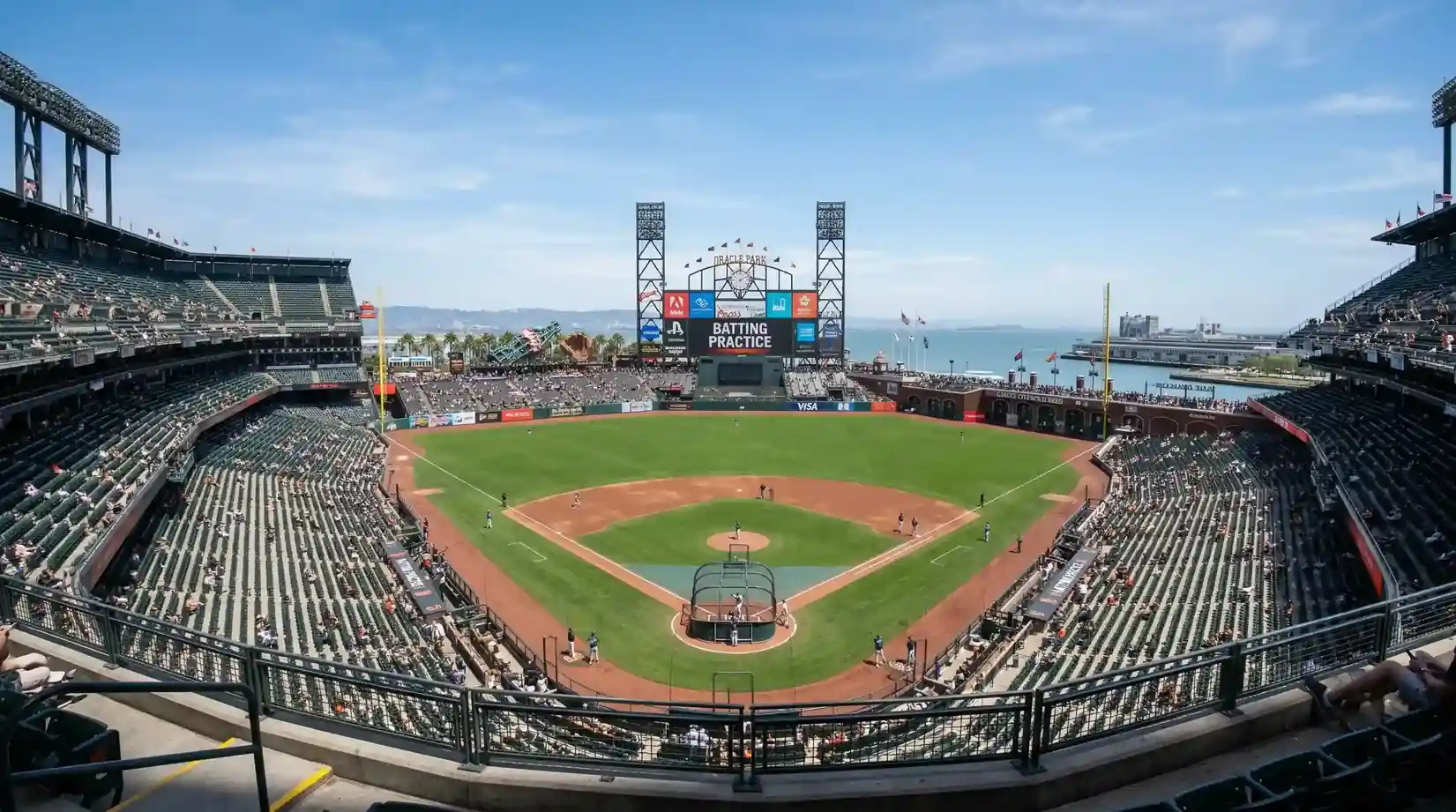
Ballparks are not neutral environments. Each venue has physical characteristics that influence how pitches behave, how comfortable pitchers feel, and how many strikeouts a game is likely to produce. These venue effects are persistent — they show up year after year in the data — and they are underweighted by many bettors who focus exclusively on the pitcher-versus-lineup matchup.
What Makes a High-K Ballpark
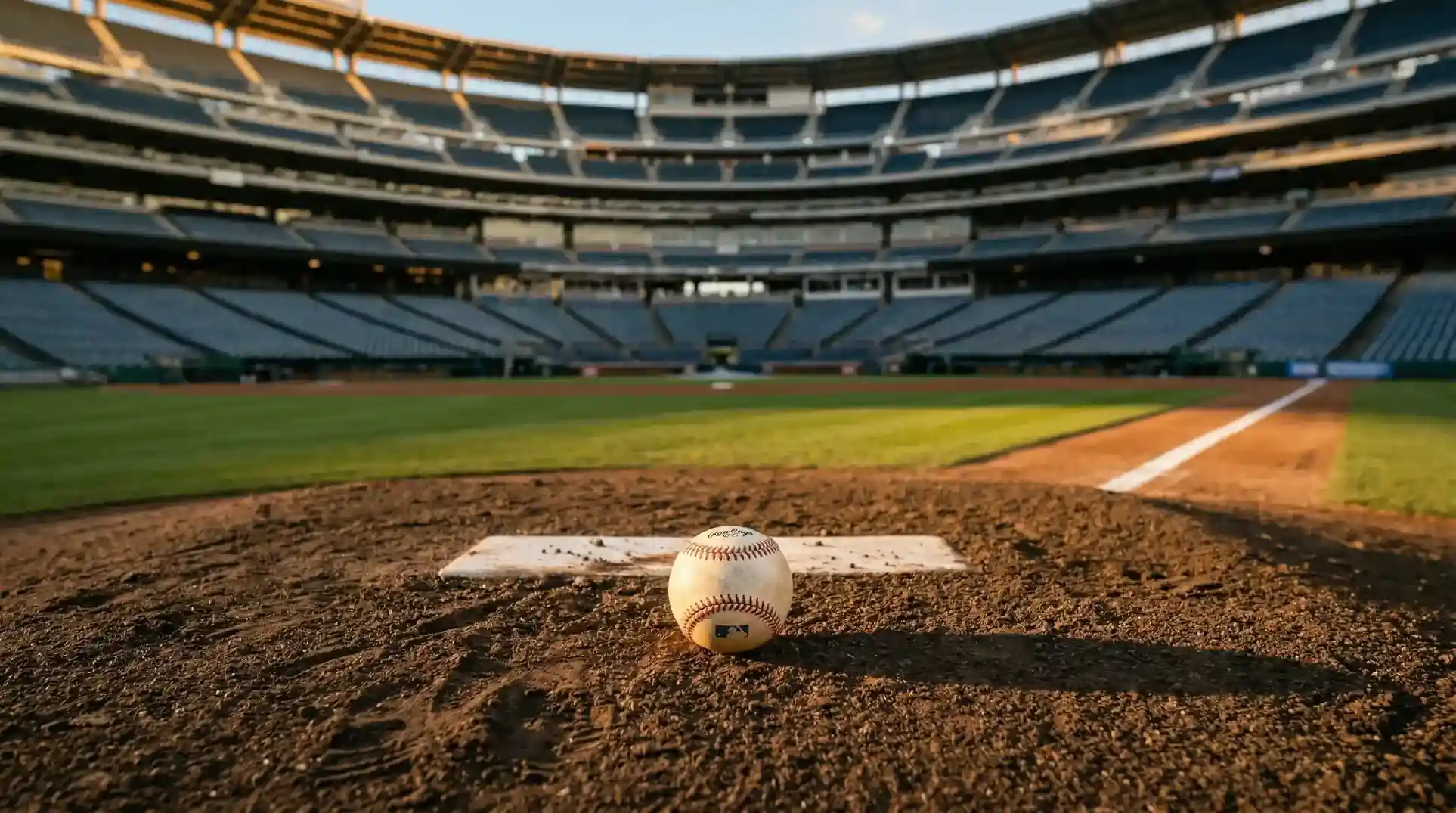
Four physical factors drive venue-level strikeout rates: altitude, mound profile, batter’s-eye design, and foul territory size. Altitude is the most powerful. At higher elevations, the thinner air reduces aerodynamic drag on the baseball. Less drag means breaking pitches have less movement, curveballs do not curve as sharply, and sliders do not slide as far. These are the pitches that generate swinging strikes. When they lose their bite, batters make more contact and pitchers record fewer Ks.
Mound profile refers to the height, slope, and surface of the pitching mound. While all MLB mounds are regulated to 10 inches above home plate, the slope and texture vary. Some mounds have steeper slopes that give the pitcher a more pronounced downhill angle on his delivery, which can add perceived velocity and movement. Others are flatter, reducing the pitcher’s leverage. Pitchers who visit a park with a mound profile very different from their home park sometimes struggle with timing and release point, which can suppress K rates for the visiting starter while the home pitcher benefits from familiarity.
The batter’s eye — the dark backdrop behind centre field that helps batters see the ball out of the pitcher’s hand — varies in quality across parks. A clean, well-designed batter’s eye gives hitters a clear view of pitch release, which helps them identify pitch type earlier and make better swing decisions. A poor batter’s eye, or one that sits at an awkward angle relative to the afternoon sun, creates visual difficulty for the batter and can increase swings and misses. This factor is subtle but measurable across large samples.
Foul territory size affects K rates indirectly. Parks with large foul areas (like Oakland’s former Coliseum) convert more foul pop-ups into outs, which shortens at-bats and gives pitchers fewer opportunities to accumulate strikeouts. Parks with small foul territory let more foul balls land in the stands, extending at-bats and giving pitchers more pitches to generate a K. The effect is small but consistent.
High-K Venues Worth Tracking
Dome stadiums and retractable-roof parks in closed mode eliminate weather variability entirely, which makes them predictable environments for K-prop analysis. They also tend to be pitcher-friendly because the controlled atmosphere maintains consistent ball behaviour — no wind, no temperature swings, no humidity shifts mid-game. When the weather is marginal across most of the day’s outdoor slate, domed parks become particularly attractive for K-prop betting.
Among outdoor parks, venues at low altitude with good mound profiles and small foul territory tend to produce the highest K rates. Parks in the American Southwest — warm, dry, low-altitude — generally support clean pitch movement and comfortable grip conditions. Parks in the upper Midwest and Northeast can be excellent K environments in summer but become K suppressors in the cold months of April and late September.
The key insight is that venue K factors are relative, not absolute. A park that produces 8% more strikeouts than the league average is not going to add 8% to every pitcher’s K total on every night. The venue factor interacts with the pitcher’s pitch mix, the weather on game day, and the opposing lineup’s tendencies. A slider-heavy pitcher benefits more from a low-altitude venue than a sinker-heavy pitcher because the slider depends more on aerodynamic movement. The venue factor is a modifier applied on top of your pitcher-lineup analysis, not a standalone variable.
Low-K Venues and When to Avoid the Over
Coors Field in Denver is the most famous K-suppressing venue in baseball, and for good reason. The altitude reduces breaking-ball movement significantly, and the park’s vast outfield dimensions and high-offence environment lead to longer games with more baserunners — conditions that increase pitch counts and shorten outings without a corresponding increase in strikeouts. I rarely bet K overs at Coors unless the matchup is overwhelmingly in favour of the pitcher, and even then I adjust my projection downward by at least one full strikeout.
Other venues with K-suppressing tendencies include parks with large foul territories, parks situated in locations with persistent wind that disrupts pitch movement, and open-air stadiums in cold-weather cities early and late in the season. The K-suppressing effect at these venues is not dramatic enough to make every game an under, but it shifts the equilibrium in a way that should move your projection downward and make you demand a better price before taking the over.
Using Park Factors in Your K-Prop Model
I maintain a simple venue adjustment table that assigns each MLB park a K-factor rating from -1.0 to +1.0, representing the number of strikeouts to add or subtract from my baseline projection. A park with a K-factor of +0.5 adds half a strikeout to my projected total; a park with -0.5 subtracts half. The ratings are derived from multi-year park factor data available on free baseball analytics sites, adjusted for the specific pitch types most affected by each venue’s physical characteristics.
The adjustment is applied after the core projection — after blending pitcher K-rate, opponent K-rate, and estimated batters faced. It sits alongside the umpire adjustment and weather adjustment as one of three external-factor modifiers. None of these three should dominate your decision. If the core projection says 7.0, a high-K venue and a high-K umpire might push it to 8.0 — a significant shift. But if the core projection says 5.5, the same positive adjustments push it to 6.5, which still might not clear a 6.5 line. The core analysis always leads; venue and external factors refine.
One last point: park factors shift over time. Renovations can change foul territory dimensions. Roof installations convert outdoor parks to indoor ones. Even changes to the surrounding landscape — new buildings that block wind, tree growth behind the batter’s eye — can alter a park’s K profile. Update your venue table annually at the start of each season, and be alert to mid-season changes that might affect specific parks. For the relationship between weather conditions and venue characteristics — and how to check both before placing a bet — the article on weather impact on strikeout props addresses the atmospheric side of the equation.
Does Coors Field really suppress strikeout rates?
Yes. The altitude at Coors Field (5,280 feet) reduces aerodynamic drag on the baseball, which diminishes the movement on breaking pitches — the pitches most responsible for generating swinging strikes. Combined with the park’s high-offence environment and longer games, Coors consistently produces fewer strikeouts per game than the league average. Adjust K-prop projections downward by at least one full strikeout for games at Coors.
How do I factor park effects into a K-prop bet?
Assign each MLB park a K-factor rating based on multi-year park factor data, ranging from roughly -1.0 to +1.0 strikeouts relative to league average. Apply this adjustment after your core projection (pitcher K-rate x estimated batters faced). A +0.5 park adds half a K to your projected total; a -0.5 park subtracts half. Update the table annually and note that the venue adjustment interacts with — but does not replace — your pitcher-lineup analysis.
Published by the mlb Strikeout Prop Bets team.